

The 10-Minute Rule
Why cravings die off you just wait

You know that moment when you’re hit with an intense craving — for chocolate, for your phone, for that thing you absolutely don’t need on Amazon — and it feels urgent, almost unbearable? Your brain is screaming that you need it right now, and if you don’t get it, the feeling will only get worse. But here’s what most people don’t know: cravings have a lifespan. They’re not permanent states — they’re waves that peak and then naturally subside, usually within about 10 minutes. The problem is, most of us never wait long enough to find that out. We give in at minute two, when the craving is at its loudest, and we never learn that it would have quieted on its own. Today I want to talk about what’s actually happening in your brain during a craving, why waiting works, and how understanding this can change your relationship with every impulse you have.

Cravings are dopamine surges, not actual needs.
When you get a craving, what you’re experiencing is a spike in dopamine — the neurochemical that drives wanting and seeking. Your brain has learned to associate certain cues (seeing a cookie, hearing your phone buzz, passing by a store) with potential reward, and it floods your system with dopamine in anticipation. That surge is what creates the feeling of “I need this right now.” But here’s the key: dopamine is about motivation and desire, not satisfaction or actual need. Your body doesn’t need the cookie. Your survival doesn’t depend on checking Instagram. What you’re feeling is your brain’s prediction of reward, not a signal that you’re lacking something essential. The craving feels real and urgent, but it’s based on learned associations, not genuine necessity.
The wave peaks fast and fades faster.
Cravings follow a predictable pattern: they build quickly, hit a peak, and then start to decline — all within a relatively short window. Most cravings reach their maximum intensity within the first few minutes and then naturally begin to subside. If you can ride out that peak without giving in, the urge genuinely weakens on its own. It’s like a wave at the beach: it swells, crests, and then pulls back. The problem is that the peak is uncomfortable, sometimes intensely so, and our instinct is to make it stop immediately. So we reach for the thing, we give in, and we never get to experience the part where the wave recedes. We think the craving would have lasted forever, but it wouldn’t have.
Your brain is terrible at predicting how you’ll feel later.
In the moment of craving, your brain is convinced that giving in is the only way to feel better. It can’t imagine a future where you feel fine without the thing. This is called “hot-cold empathy gap” — when you’re in a heated emotional state, you can’t accurately predict how you’ll feel in a calm state. But if you’ve ever given in to a craving and then felt disappointed or regretful five minutes later, you know this prediction is often wrong. The satisfaction rarely matches the intensity of the wanting. Your brain promises relief and pleasure, but what you often get is a brief hit followed by guilt, a sugar crash, or just… nothing special. The craving lied to you about how good it would feel.
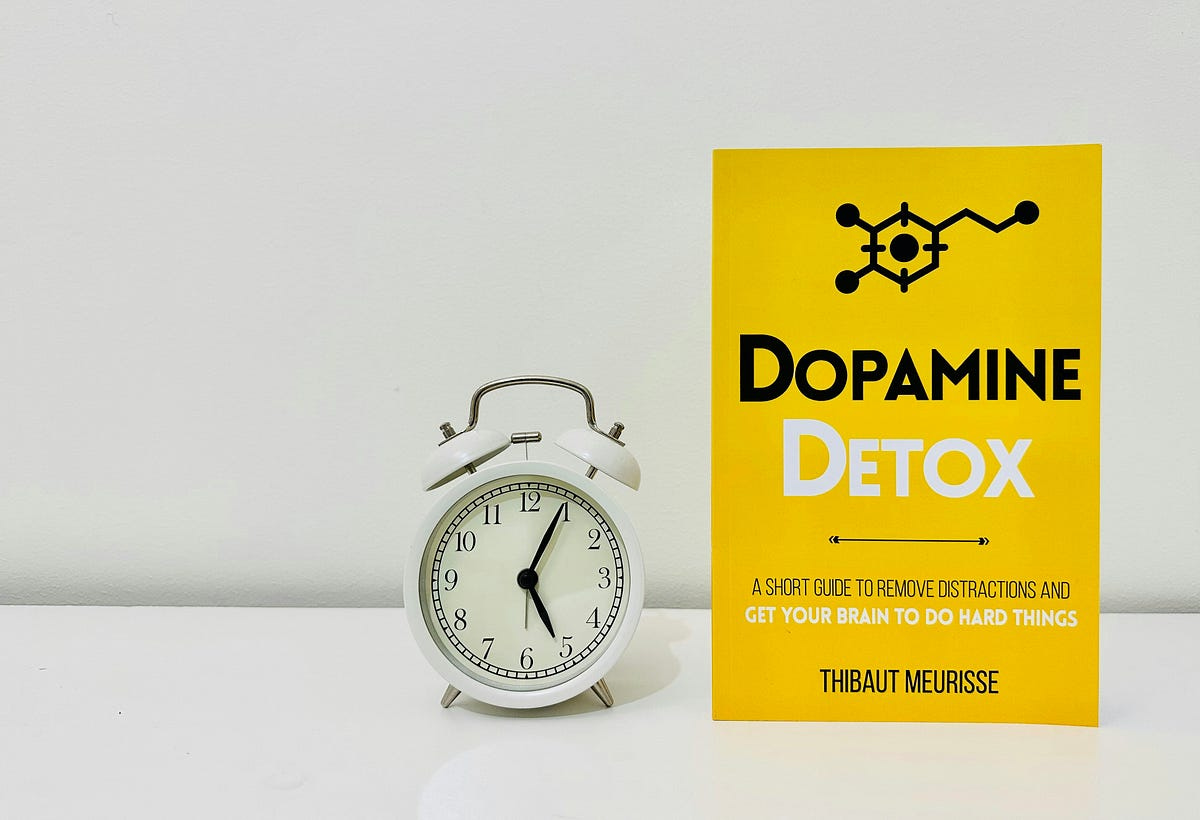
Waiting teaches your brain the craving isn’t dangerous.
Every time you ride out a craving without acting on it, you’re sending your brain important information: this feeling is uncomfortable, but it’s not an emergency. You can tolerate it. It will pass. Over time, this weakens the association between the cue and the urgent need to act. Your brain starts to learn that the craving doesn’t require immediate action, which makes future cravings less intense. It’s like exposure therapy for impulses. The first few times you wait it out, it feels really hard. But each time you do it, you’re building evidence that you can handle the discomfort, and your nervous system starts to trust that. The craving loses its power because you’ve proven it’s not actually dangerous.
Distraction works because it shifts dopamine focus.
One of the most effective strategies during the 10-minute wait is distraction — but not just any distraction. You need something that genuinely engages your attention and ideally involves some kind of action or movement. Go for a walk. Call a friend. Do ten pushups. Clean something. The reason this works is because dopamine is involved in directing attention and motivation. When you redirect your focus to something else — especially something mildly rewarding or engaging — you’re essentially giving your dopamine system a different target. The craving doesn’t disappear instantly, but it loses urgency because your brain is now oriented toward something else. You’re not fighting the craving with willpower alone — you’re working with your brain’s natural tendency to shift focus.
The 10-minute rule builds agency, not restriction.
Here’s what makes this approach different from typical “just say no” advice: you’re not telling yourself you can never have the thing. You’re just telling yourself to wait 10 minutes first. That small reframe makes a huge difference psychologically. It doesn’t feel like deprivation or punishment — it feels like a choice. And often, after 10 minutes, you realize you don’t actually want it anymore, or you want it less, or you’re willing to choose something else. Sometimes you still want it and you have it — and that’s fine too. The point isn’t perfection; it’s practice. You’re training yourself to pause between impulse and action, to create space where choice can exist. That space is where real agency lives.
Most cravings aren’t about the thing — they’re about the feeling.
If you pay attention during the 10-minute wait, you’ll often notice something interesting: the craving isn’t really about the food or the phone or the purchase. It’s about an uncomfortable feeling you’re trying to escape. Boredom. Stress. Loneliness. Fatigue. Anxiety. The craving is your brain’s learned solution to an emotional problem, and it’s offering you a quick fix. But quick fixes don’t actually resolve the underlying feeling — they just distract you from it temporarily. When you wait out the craving and sit with the discomfort, you get a chance to notice what you’re actually feeling and what you actually need. Maybe it’s rest. Maybe it’s connection. Maybe it’s just permission to feel bad for a minute without trying to fix it. The craving was never really about the cookie. And once you know that, you have options you didn’t have before.
~Esteem Note Lab~
This is so helpful! I’ll try it today when the cookie craving appears.